
The Impact of Social Media on Human Connections in the Digital Age
 Dan PUpdated 2 months Ago1 Mins read
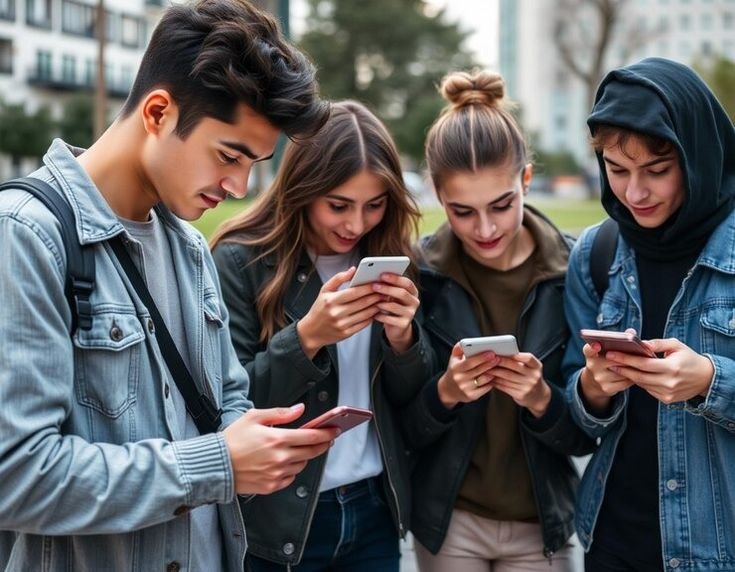
Social media has revolutionized how people communicate, share information, and build relationships. Platforms like Instagram, LinkedIn, Facebook, and X (Twitter) connect billions of users worldwide, breaking geographical barriers and enabling instant communication. While social media offers numerous benefits, it also presents challenges that affect human connections.
On the positive side, social media helps people stay connected with friends, family, and professional networks. It provides a platform for self-expression, creativity, and knowledge sharing. Businesses and creators use social media to reach audiences, build communities, and promote causes. Social movements and awareness campaigns have gained global attention through digital platforms.
However, excessive use of social media can lead to issues such as reduced face-to-face interactions, social comparison, and mental health concerns. Constant exposure to curated lifestyles may create unrealistic expectations and feelings of inadequacy. The pressure to seek validation through likes and comments can affect self-esteem.
Privacy and misinformation are additional concerns. Users often share personal information without understanding the potential risks. The spread of fake news and misinformation can influence opinions and create social divisions. Responsible usage and digital literacy are essential to navigate these challenges.
Social media also affects communication styles. While it enables quick interactions, it may reduce the depth of conversations. Emojis and short messages cannot always replace meaningful discussions. Maintaining a balance between online and offline interactions is crucial for healthy relationships.
To use social media effectively, individuals should set boundaries, curate their feeds, and prioritize quality connections over quantity. Taking regular digital detoxes and engaging in real-world activities can help maintain emotional well-being.
In conclusion, social media is a powerful tool that can enhance or hinder human connections depending on how it is used. By being mindful, responsible, and intentional, users can harness its benefits while minimizing its negative impact.















Leave a comment